Aerosolization of Azithromycin and Ofloxacin from wastewater during activated sludege aeration
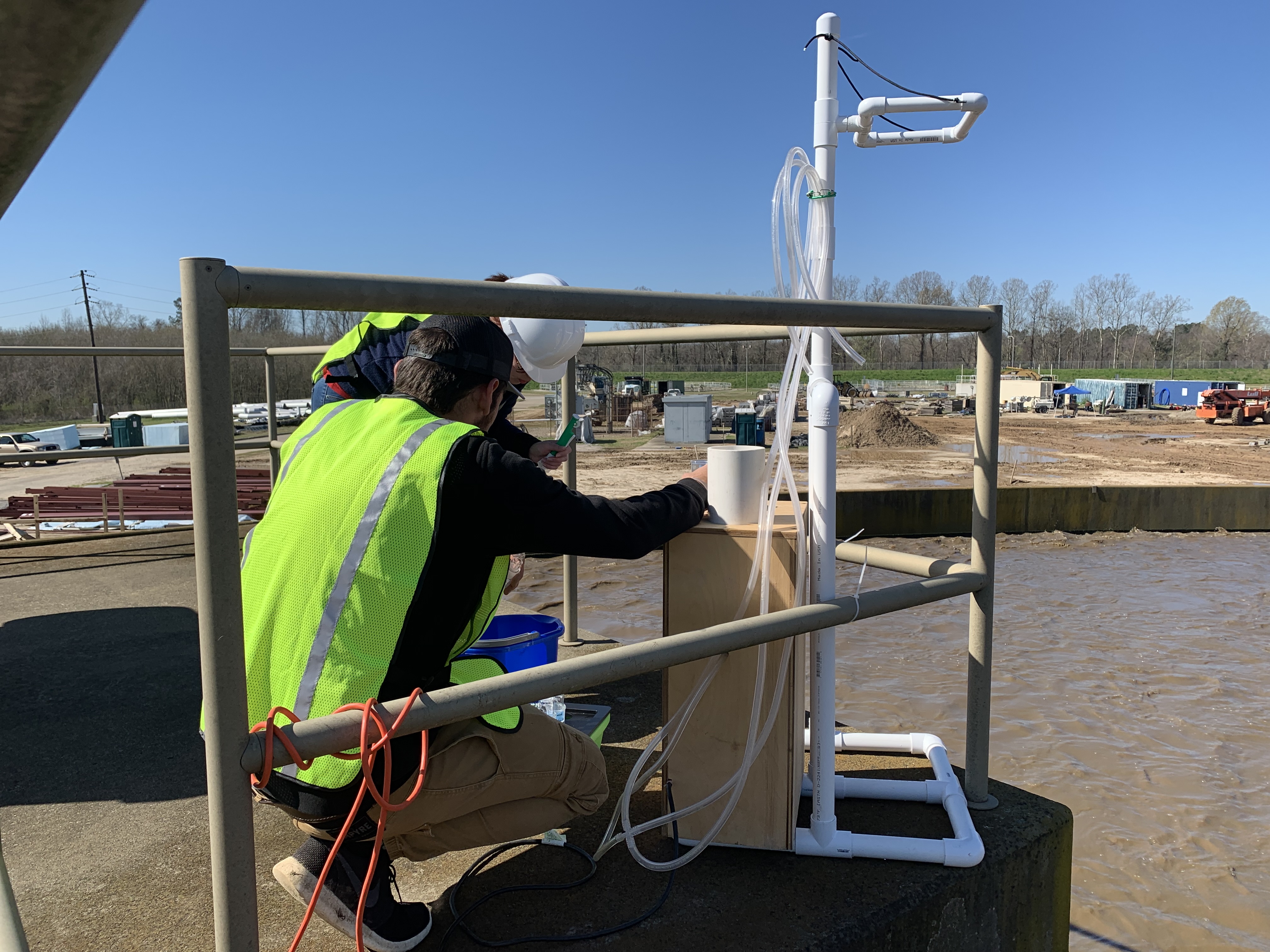
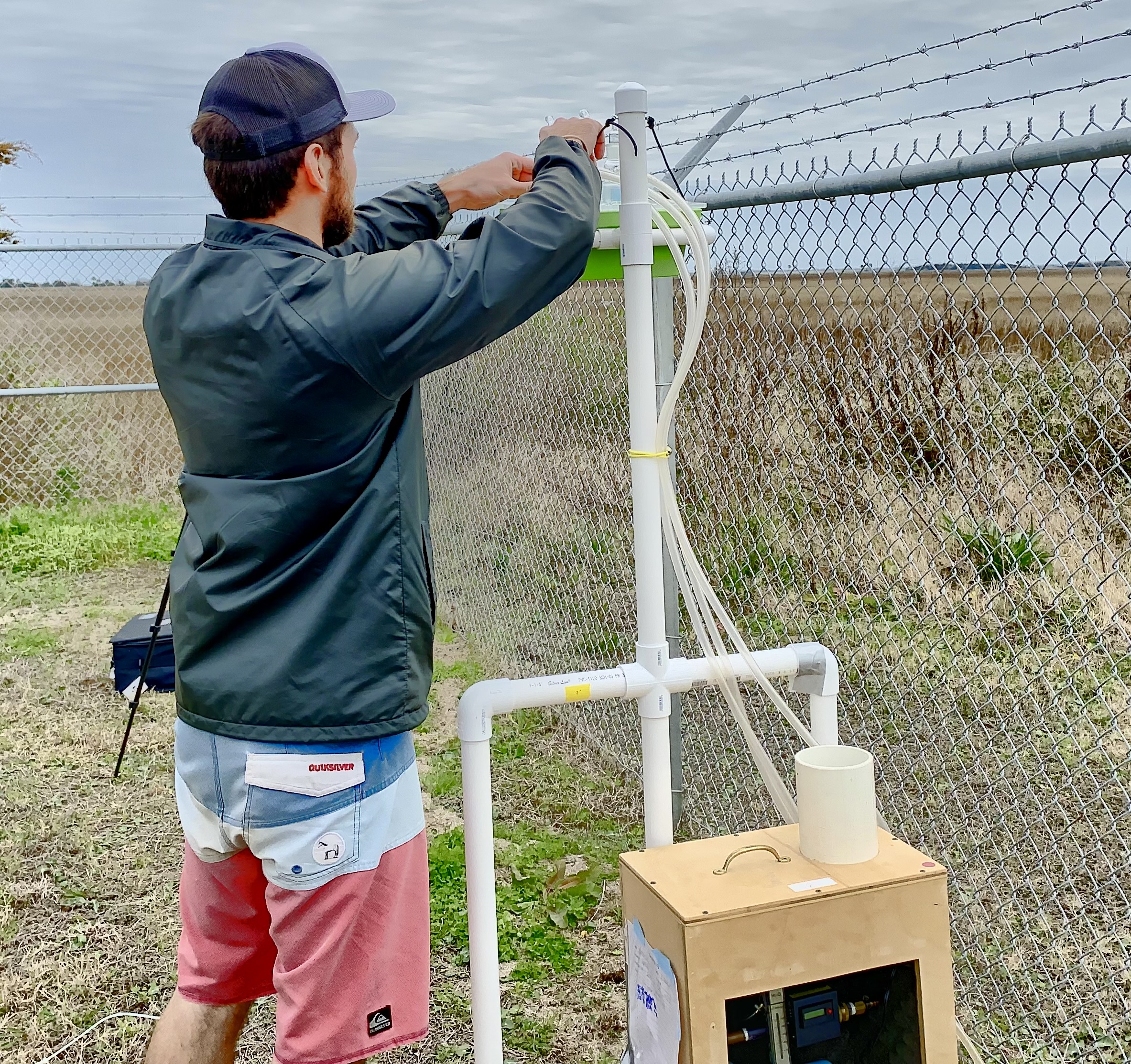
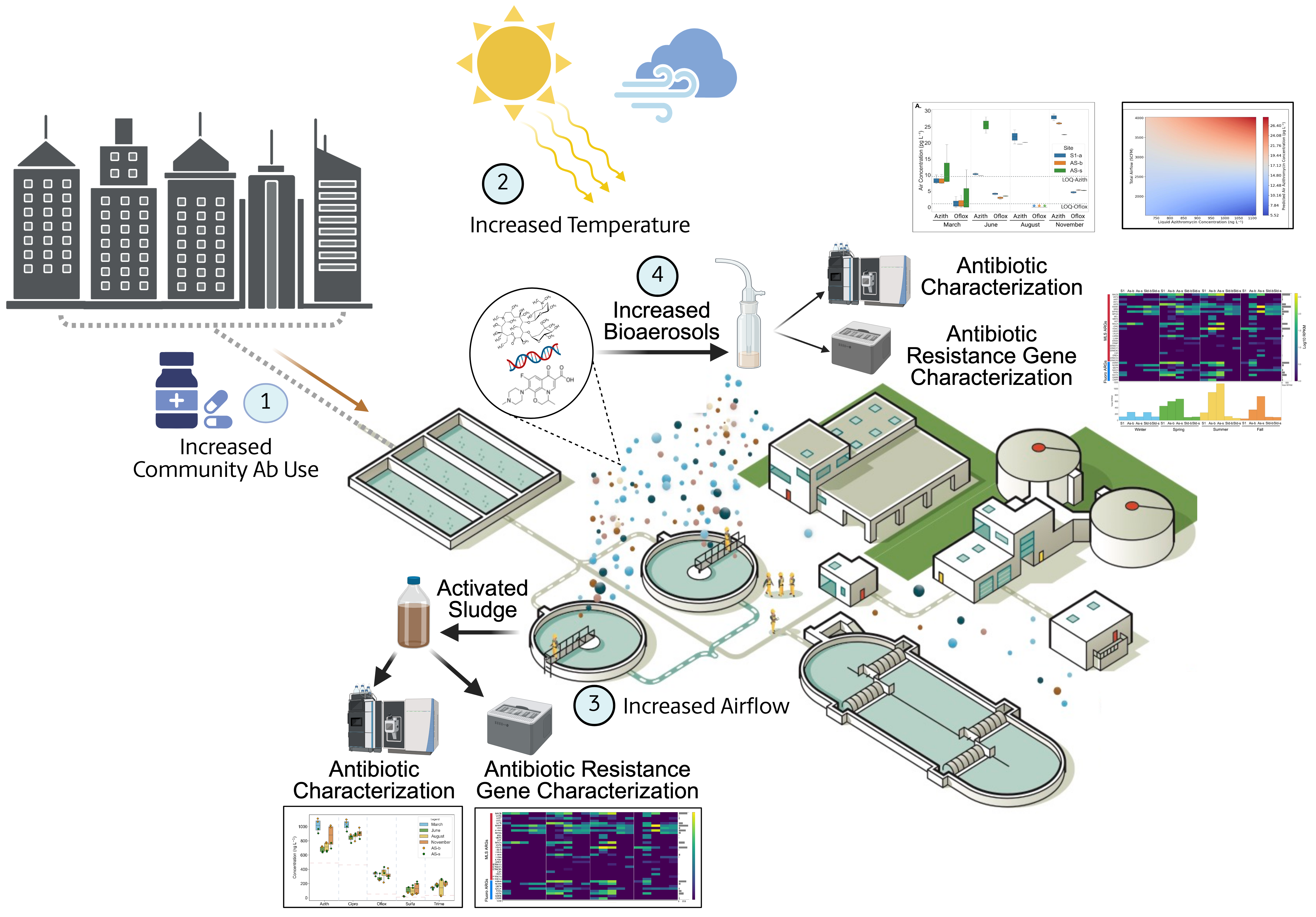
In this study, seasonal air and liquid samples were collected throughout 2019 from a midsize WWTP employing both mechanical surface agitation and fine bubble aeration of activated sludge. Azithromycin and ofloxacin were detected in bioaerosols collected near aeration tanks at concentrations ranging from below detection limits up to 29 pg L–1 air, suggesting that bioaerosols may represent a previously underappreciated route of environmental and occupational antibiotic exposure. Metagenomic analysis confirmed the co-occurrence of antibiotic resistance genes (ARGs) conferring resistance to macrolides and fluoroquinolones in both air and liquid samples. The findings support a conceptual model in which antibiotic usage patterns within the sewershed catchment population directly influence wastewater antibiotic concentrations, ultimately affecting ARG prevalence. The subsequent emission of antibiotics and ARGs from this source into the atmosphere is influenced not only by their concentrations in wastewater but also significantly by WWTP operational parameters, which are responsive to prevailing environmental conditions.
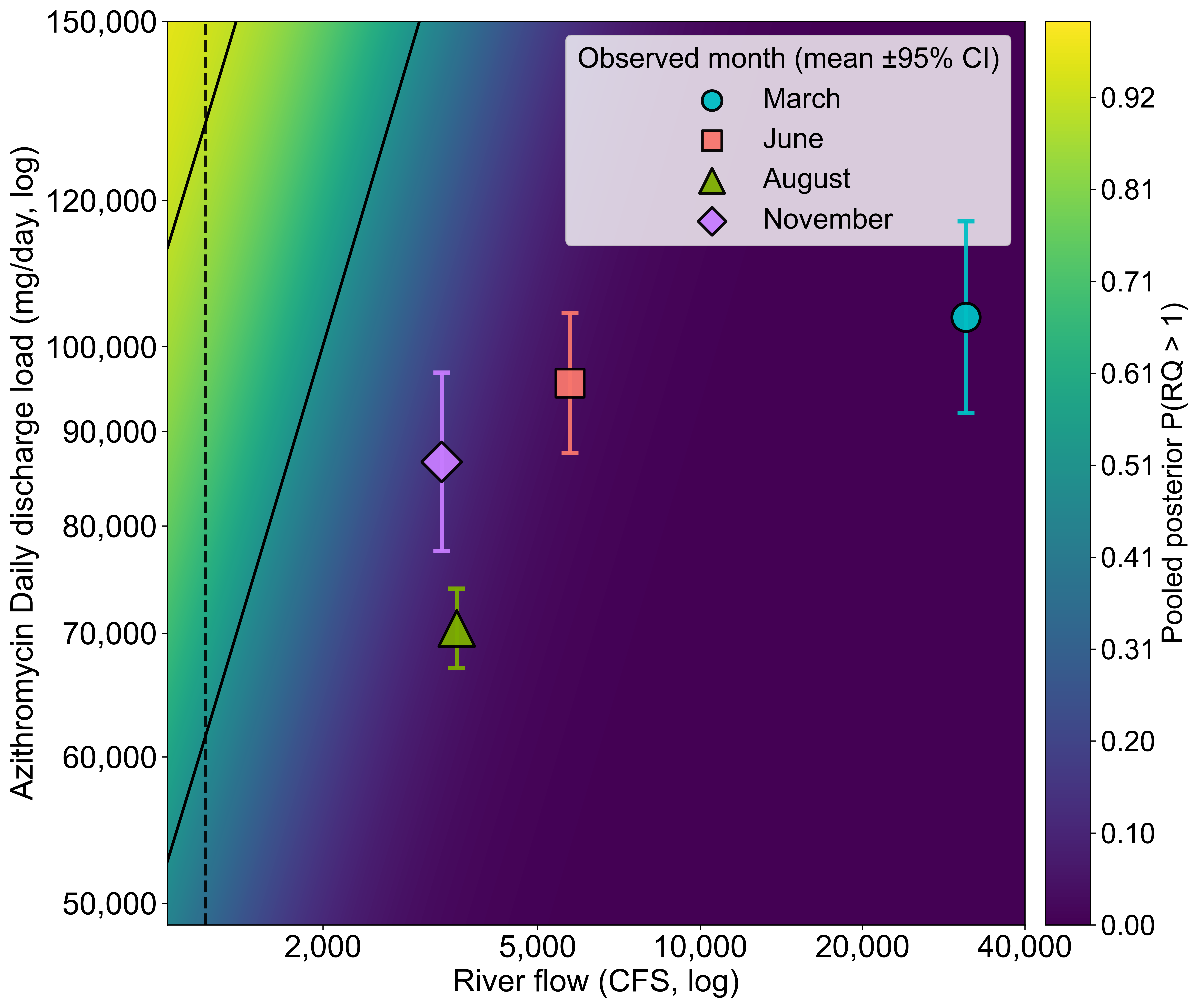
Bayesian modeling of environmental risk posed by azithromycin discharge into a river ecosystem
Wastewater treatment plants (WWTPs) are critical links coupling the socio-ecological cycling of antibiotics. While studies have examined antibiotics in wastewater and their environmental impact, this study investigated the seasonal impact of community antibiotic consumption on antibiotic residues in wastewater at a midsize WWTP, the antibiotic removal efficiency across treatment processes, and the environmental impact on an adjacent river. Five of the antibiotics tested were detected across treatment processes, with azithromycin showing the highest concentration in the influent, correlating with seasonal macrolide consumption. Environmental risk assessments indicated a high risk for azithromycin (RQ: 1.3 - 1.7) and moderate risk for ciprofloxacin (RQ: 0.436).
Video: Monitoring meterological data
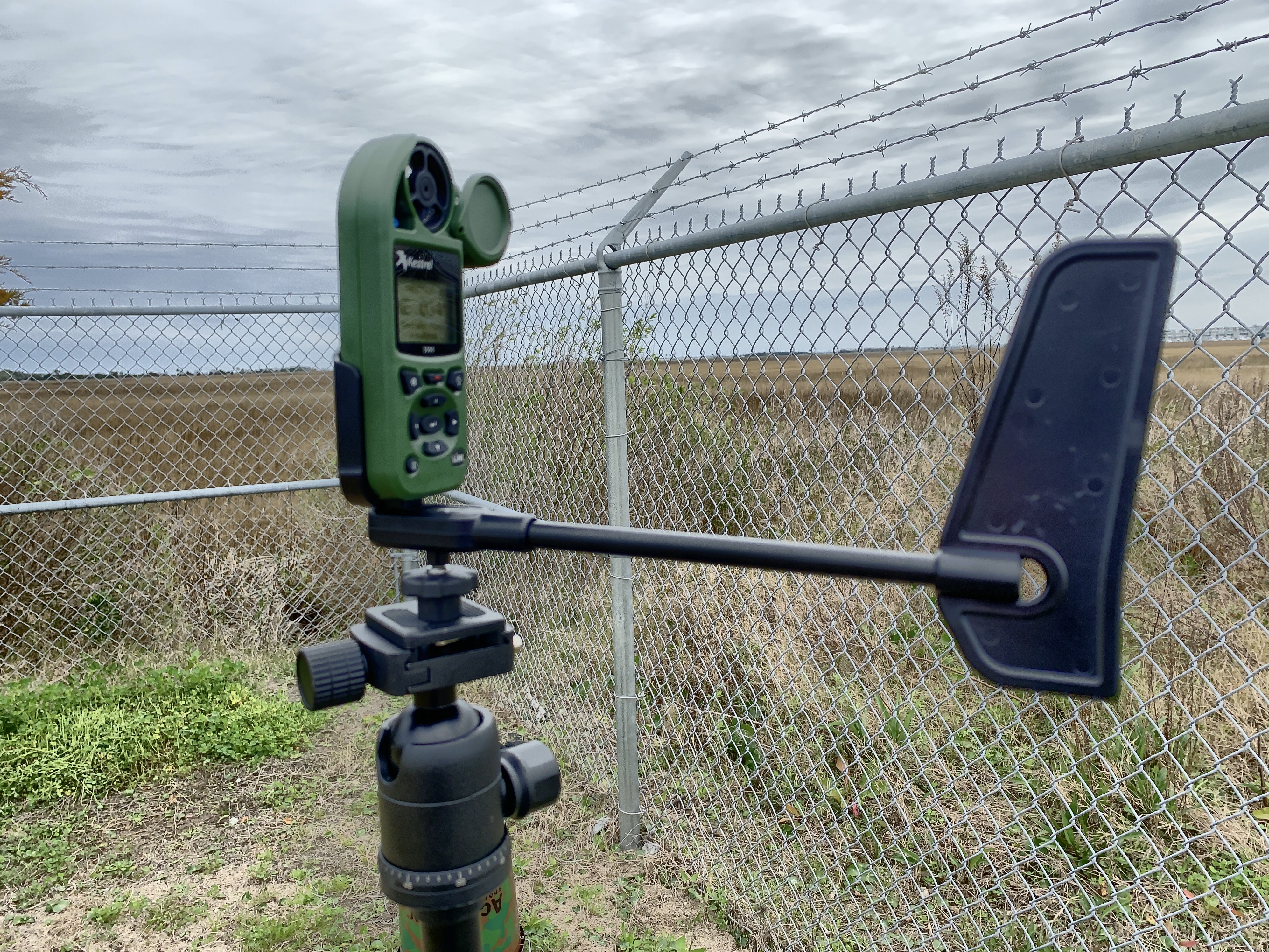
We routinely have weather monitors in place during our studies to monitor temperature, humidty, pressure, wind speed, and wind direction. These variables allow us to model how far aerosolized antibiotics and antibiotic resistance genes may travel away from the WWTP source of generation.